By Alliance Home & Land Group
We work with buyers and sellers across Greensboro who are drawn to homes with the kind of amenity space that makes entertaining easy, and a wine cellar is one of the features we get asked about most. Learning how to set up a wine cellar the right way takes more planning than most people expect, since a few overlooked details can damage a collection instead of protecting it. Here's what we walk clients through when they're building or evaluating a wine cellar of their own.
Key Takeaways
- Location matters more than most homeowners expect, since heat, light, and vibration can all damage a collection over time.
- Insulation and a vapor barrier come before any cooling system, not after.
- A dedicated wine cellar cooling unit is essential. A standard home air conditioner will ruin a wine collection.
- Racking material and layout should match both your collection size and the rest of your home's design.
Choose the Right Location Before You Build
Where a wine cellar sits in the home affects almost everything else about how well it performs. A below-grade space like a basement naturally stays cooler and more stable, while a space above grade needs more mechanical support and must stay clear of vibration sources like HVAC equipment or heavy foot traffic. If you're planning new construction, this is worth deciding early, ideally during the schematic design phase, before the floor plan and structural details are locked in.
What to Weigh When Choosing a Cellar Location
- Below-grade spaces for natural temperature stability, when available
- Distance from mechanical rooms, HVAC equipment, and high-traffic areas, all common sources of vibration
- Avoiding direct sunlight or any space with significant window exposure
- For new builds, addressing cellar placement during the early design phase rather than after the floor plan is finished
- How the cellar's location relates to any adjacent entertaining or tasting space you want to build alongside it
- Whether the space has enough ceiling height and floor load capacity for racking and cooling equipment
Get the Insulation and Vapor Barrier Right
Before any cooling system goes in, the room itself needs to hold a stable environment on its own. Closed-cell spray foam is a common choice because it provides both insulation and a vapor barrier in a single layer, which helps keep humidity and temperature consistent throughout the space. An exterior-grade insulated door matters just as much as the walls, since a poorly sealed door can undo everything else in the room, letting in warm air and humidity swings every time it opens.
What a Properly Insulated Cellar Needs
- High R-value insulation in the walls and ceiling, and in the floor as well when the space calls for it
- A vapor barrier to keep outside moisture from working its way in
- An exterior-grade, insulated door with a tight seal
- Sealed gaps around any penetrations, vents, or fixtures that could let air or moisture through
- A pre-construction check for existing moisture issues, especially in below-grade spaces
Choose a Cooling System That Fits Your Space
A dedicated wine cellar cooling system is not optional if you want to protect a real collection. Standard home air conditioning removes humidity along with heat, which dries out corks and accelerates spoilage, so a wine-rated unit designed to cool slowly while preserving humidity is essential. The right system depends on your cellar's size, insulation, and layout, and options range from simple self-contained units to larger ducted systems for bigger spaces.
Cooling Options Worth Comparing
- Through-the-wall, self-contained units for smaller cellars, often a straightforward and cost-effective installation
- Ductless split systems for cellars with no room for ductwork or available mechanical space
- Ducted systems for larger cellars needing more even air distribution
- A wine-rated thermostat that maintains both temperature and humidity, rather than a standard household unit
- Sizing the unit to your cellar's actual insulation and square footage, not just its overall size
Select Racking That Matches Your Home's Design
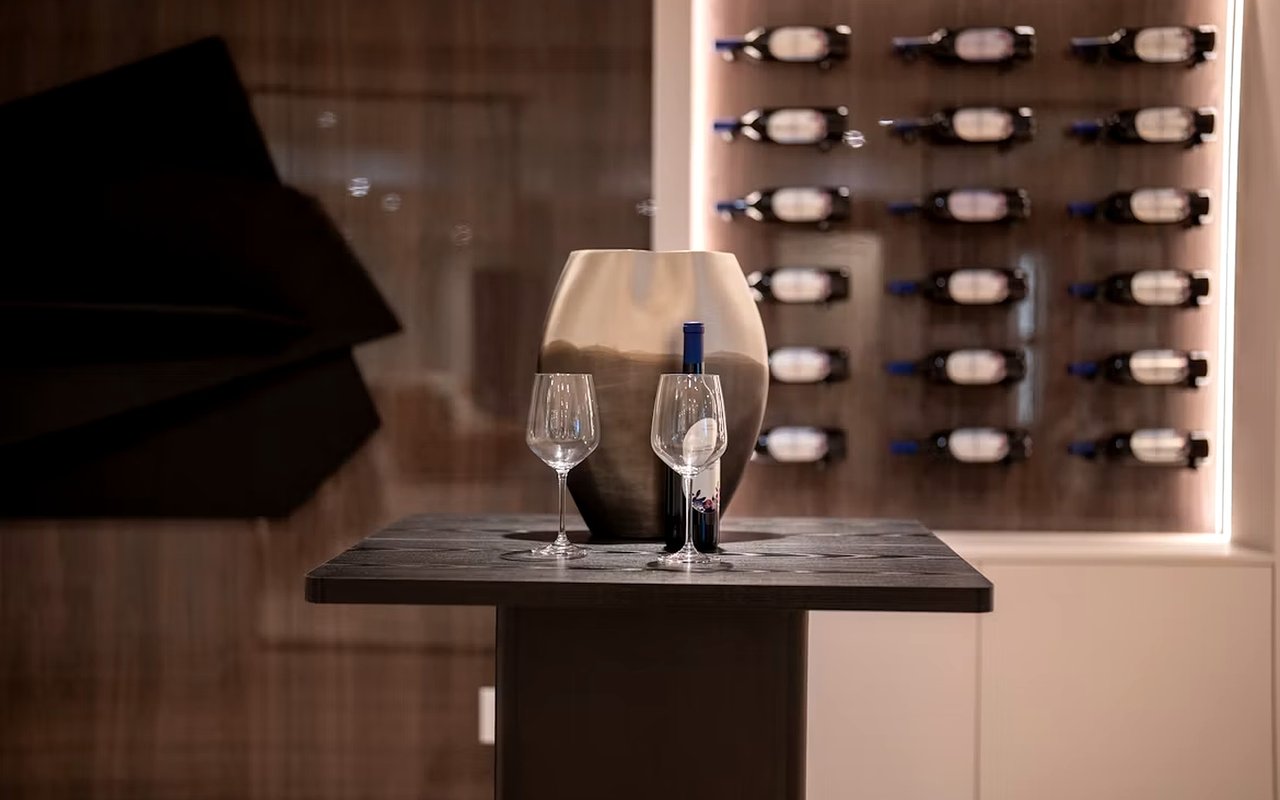
Racking is where function and design meet, and the right choice depends on your collection size, budget, and the rest of your home's aesthetic. Wood remains the most popular material, with redwood valued for moisture resistance, mahogany for its durability and finish, and oak or walnut for a more contemporary look. Metal and modular systems are worth considering too, especially for collectors whose collection is still growing or who want more flexibility down the road as their needs change.
Racking Choices to Consider
- Redwood or mahogany for classic wood racking with strong moisture resistance
- Oak or walnut for a more contemporary wood finish that still holds up well in a controlled environment
- Metal or wrought iron for a more modern aesthetic, though metal can be less forgiving on labels
- Modular systems for collections that are still growing or likely to be reconfigured over time
- A layout that separates storage racking from any tasting or entertaining space, so the storage zone stays fully climate controlled
- Enough capacity built in for future growth, not just your current collection size
Protect the Investment With the Right Monitoring and Habits
Once a cellar is built, ongoing monitoring is what keeps it performing the way it should. A wall-mounted thermometer and hygrometer let you track conditions at bottle height, and many collectors now add smart sensors that send an alert if temperature or humidity drifts outside the target range. Beyond monitoring, simple habits like keeping the cellar dark and free of strong odors go a long way toward protecting a collection for the long term.
Ongoing Habits That Protect a Wine Collection
- A thermometer and hygrometer placed at bottle height, checked regularly
- Smart monitoring sensors for real-time alerts if conditions drift
- Keeping the cellar dark, since UV exposure can damage wine over time
- Storing bottles away from strong odors, chemicals, or cleaning products, since wine can absorb them through the cork
- Minimizing vibration near the racking, since it can disturb sediment and affect how a wine ages
- Scheduling periodic maintenance checks on the cooling system itself, not just the room's conditions
FAQs
What's the ideal temperature and humidity for a wine cellar?
Most wine cellars perform best between 55°F and 60°F with humidity between 50% and 70%. Consistency matters more than hitting an exact number, so avoiding swings is the real goal.
Can we use a regular air conditioner to cool a wine cellar?
No. A standard air conditioner cools too quickly and strips humidity from the air, which dries out corks and puts a collection at risk. A dedicated, wine-rated cooling system is the right approach.
Where's the best place for a wine cellar in a Greensboro home?
A below-grade space like a basement tends to work best, since it naturally holds a cooler, more stable environment. If you're building new or renovating, we're always happy to talk through what makes sense for your specific home.
Contact Alliance Home & Land Group Today
Whether you're building a wine cellar into a new home or looking for a Greensboro property that already has one, we'd love to help you find the right fit. Our team knows what buyers in this market are looking for when it comes to amenity spaces like this one.
If you have questions about wine cellars or finding a home built for the way you entertain, reach out to us at Alliance Home & Land Group, and let's talk about what you're looking for.
If you have questions about wine cellars or finding a home built for the way you entertain, reach out to us at Alliance Home & Land Group, and let's talk about what you're looking for.