By Alliance Home & Land Group
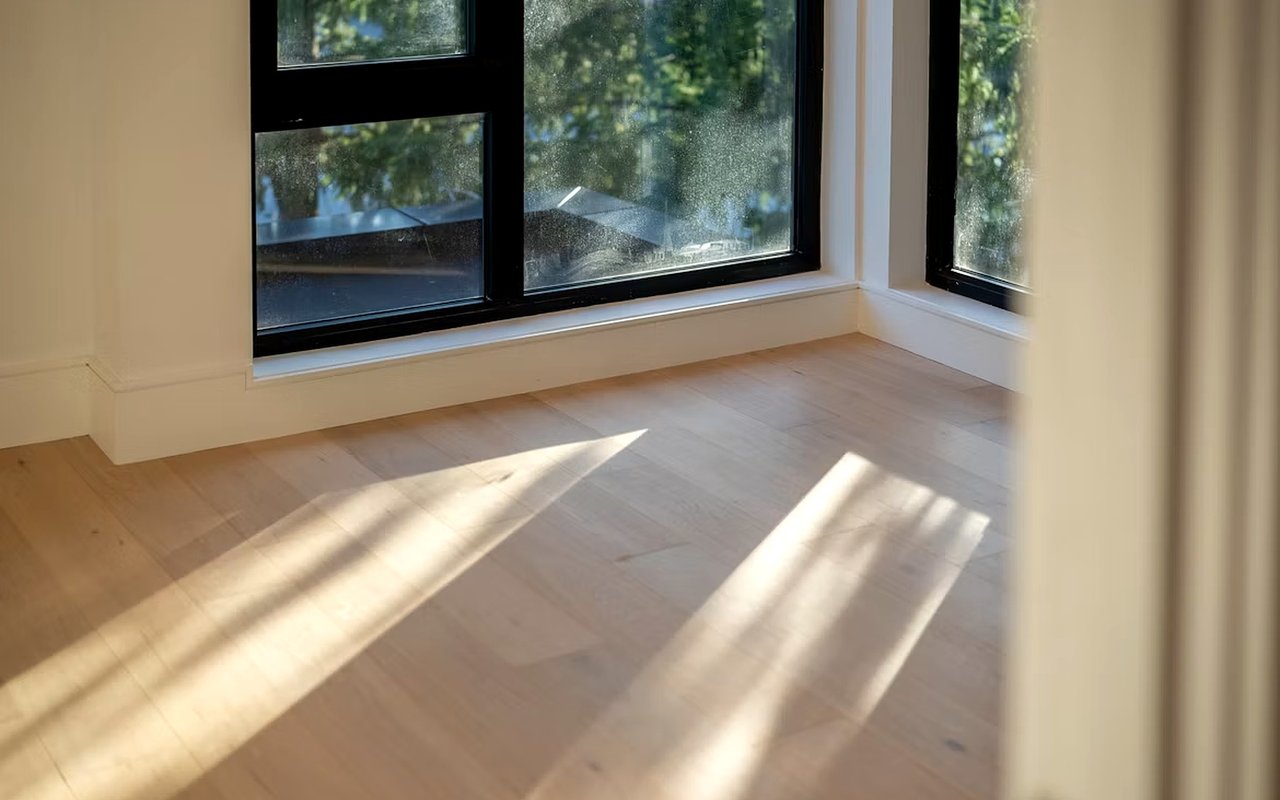
We spend a lot of time in homes here in Greensboro with walls of windows facing Lake Oconee, and it's one of the features clients consistently say they didn't know they wanted until they experienced it. The benefits of natural light in home design go well beyond how a room looks. There's real research behind how it affects mood, energy costs, and even how a home shows when it's time to sell. Here's what we point clients toward when they're weighing how much natural light actually matters.
Key Takeaways
- Natural light affects mood and sleep by supporting the body's circadian rhythm and reducing symptoms linked to seasonal affective disorder.
- Lighting typically accounts for about 10% of a home's electricity use, so more daylight can mean a real reduction in your bill.
- Sunlight helps manage indoor moisture and supports healthier houseplants, on top of being a natural source of Vitamin D.
- Bright, light-filled homes tend to show better and appeal more to buyers, though too much unmanaged light brings its own tradeoffs.
Natural Light Can Lift Your Mood and Support Better Sleep
The benefits of natural light in home design start with how it affects the body. Research published in Environmental Health Perspectives found that sunlight increases the brain's levels of serotonin and endorphins, both linked directly to improved mood. Natural light also helps regulate the body's circadian rhythm, the internal clock governing when you feel alert versus sleepy, and consistent exposure has been linked to a lower risk of seasonal affective disorder during darker months.
How Natural Light Affects Mood and Sleep
- Higher serotonin and endorphin levels tied to sunlight exposure
- Better-regulated circadian rhythm, supporting more consistent sleep patterns
- A lower risk of symptoms associated with seasonal affective disorder
- A generally calmer, more comfortable feeling in rooms with ample daylight
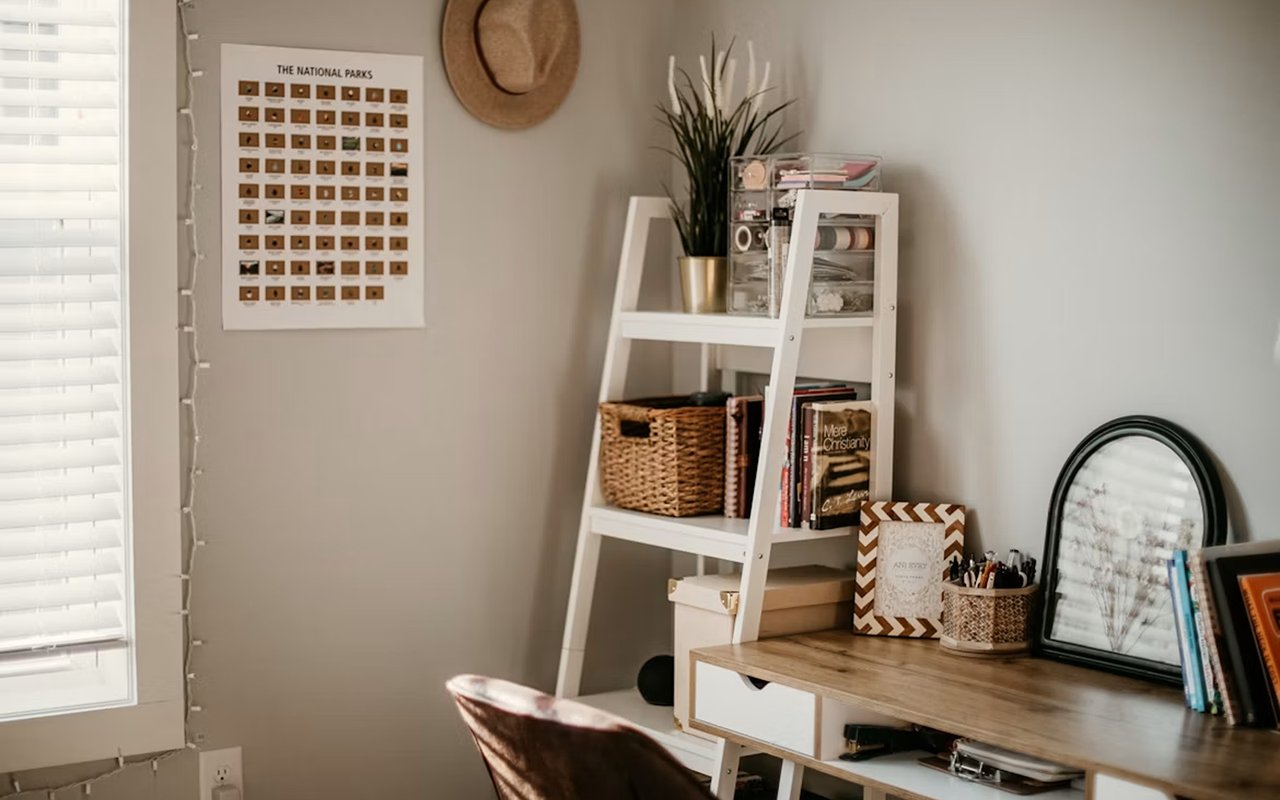
- Improved focus and energy levels during the day, especially in home offices or workspaces near windows
- A stronger connection to the outdoors in rooms that face natural surroundings like a yard or the lake
It Can Meaningfully Lower Your Energy Bills
Beyond how it feels, natural light has a real effect on a home's energy use. According to the U.S. Department of Energy, lighting accounts for roughly 10% of the average home's electricity usage, and a home that relies more on daylight during the day needs artificial lighting far less often. Natural light can also help with heating in cooler months, and over a full year that combination of less artificial lighting and some passive warmth can add up to a noticeable difference on a utility bill.
Where the Energy Savings Come From
- Reduced need for artificial lighting throughout daylight hours
- Some added warmth from sunlight during cooler months, lowering heating demand
- Lower electricity bills over time as reliance on artificial light drops
- A smaller overall carbon footprint tied to reduced energy use
- Energy-efficient windows that let daylight in while still managing heat loss in winter
- Fewer lamps and fixtures running throughout the day in rooms with strong natural light
It Supports a Healthier Indoor Environment
Natural light does more than brighten a room. It's one of the body's primary sources of Vitamin D, which supports bone health and immune function, and even brief daily exposure can make a meaningful difference. Sunlight also helps manage indoor moisture, since it naturally dries out the kind of dampness that can lead to mold, and it creates better conditions for houseplants that need real light to thrive.
Health and Environment Benefits Worth Noting
- Vitamin D exposure that supports bone health and immune function
- Reduced dampness and moisture buildup in sunlit rooms
- Healthier conditions for houseplants, which need genuine light exposure to grow
- A generally fresher indoor environment compared to rooms that rely only on artificial light
- Fewer conditions that support mold growth in consistently sunlit spaces
- A more comfortable, breathable feel in living spaces used throughout the day
It Can Make a Home More Marketable When You Sell
When it comes time to sell, natural light is one of the features buyers respond to immediately. Bright, sunlit rooms tend to feel larger and more inviting, and homes that show well in natural light often stand out in listing photos and in person alike. Buyers touring multiple homes in a day tend to remember the ones that felt genuinely bright and open, which can work in a seller's favor.
Why Buyers Respond to Natural Light
- Rooms that feel larger and more open when filled with daylight
- Stronger first impressions during showings and in listing photos
- Architectural features like large windows that natural light helps highlight
- A living space that feels more inviting overall, which matters to buyers touring multiple homes
- Better lit rooms that photograph more accurately, without needing heavy editing
- A home that stands out among comparable listings in the same price range
Balance It With the Right Design Choices
More natural light isn't automatically better without some planning. Excessive, unmanaged sunlight can cause glare, fade furniture and artwork, and add unwanted heat during the warmer months, so the goal is genuinely about balance rather than maximizing light at all costs. Thoughtful choices like energy-efficient windows, skylights, or light-reflective interior finishes can bring in more daylight while still protecting the room from its downsides.
Ways to Bring in Light Without the Downsides
- Energy-efficient windows that let light in while managing heat gain
- Skylights or tubular daylighting devices for rooms without much wall space for windows
- Light-reflective finishes and surfaces that help daylight travel further into a room
- Movable window treatments that let you control light and glare as conditions change through the day
- UV-filtering window film for rooms with furniture or artwork you want to protect from fading
- Strategic landscaping or overhangs that manage direct sun exposure without blocking the view
FAQs
What's the ideal way to think about natural light in a Greensboro home?
Homes here often have larger windows or glass walls specifically to take advantage of Lake Oconee views, and that same design tends to bring in significantly more daylight than a typical home. It's worth planning for both the benefits and the tradeoffs, like heat gain, when a home is designed around big windows.
Does natural light actually help when we sell a home?
Yes. Bright, well-lit homes tend to make a stronger impression on buyers, both during in-person showings and in listing photos, and that can translate into faster, stronger offers.
Can too much natural light be a problem?
It can. Unmanaged sunlight can fade furniture and flooring, create glare, and add extra heat in warmer months, so it's worth pairing bright rooms with energy-efficient windows or window treatments that let you control it.
Contact Alliance Home & Land Group Today
If you're drawn to homes with great natural light, whether that means big lake-facing windows in Greensboro or a home designed to bring in daylight throughout the day, we'd love to help you find it. We know this market and what makes a home feel genuinely bright and livable, not just well-photographed.
If natural light is high on your list for your next home, reach out to us at Alliance Home & Land Group, and let's talk about what you're looking for.
If natural light is high on your list for your next home, reach out to us at Alliance Home & Land Group, and let's talk about what you're looking for.